Conversion
Message match: the landing page has to finish both the ad and the search
How ecommerce teams can align PPC hooks, organic intent and landing page sections into one conversion path.
Article briefing
A landing page is not a destination. It is the next sentence after the ad, search result, AI answer or creator post.
“The click is not the win. The page has to complete the promise that created the click.”
Reader value
One practical operating move, not a thought piece.
Best for
Ecommerce founders, agencies and growth operators.
Use it for
Page fixes, content briefs, creative angles and weekly reviews.
Operator takeaways
External research signals
Automation increases the need for landing page clarity
As Google Search ads add more AI-assisted expansion, the landing page and conversion signal become stronger inputs. Broader matching is only useful when the page can handle the intent it attracts.
Source
Google Ads AI Max documentation
AI discovery rewards answer structure
AI Overview research reinforces the value of pages with clear answers, strong source context and extractable sections. Landing pages now have to serve buyers and answer engines.
Source
Measuring Google AI Overviews
Guide format
Turn this note into an ecommerce operating move.
Each article should move from research and buyer context into a practical action your page, content or creative team can use.
01
Buyer question
02
Market signal
03
Page section
04
Creative angle
05
Next action
Conversion
Read it, pull one page improvement from it, then turn that improvement into a campaign input.
visual
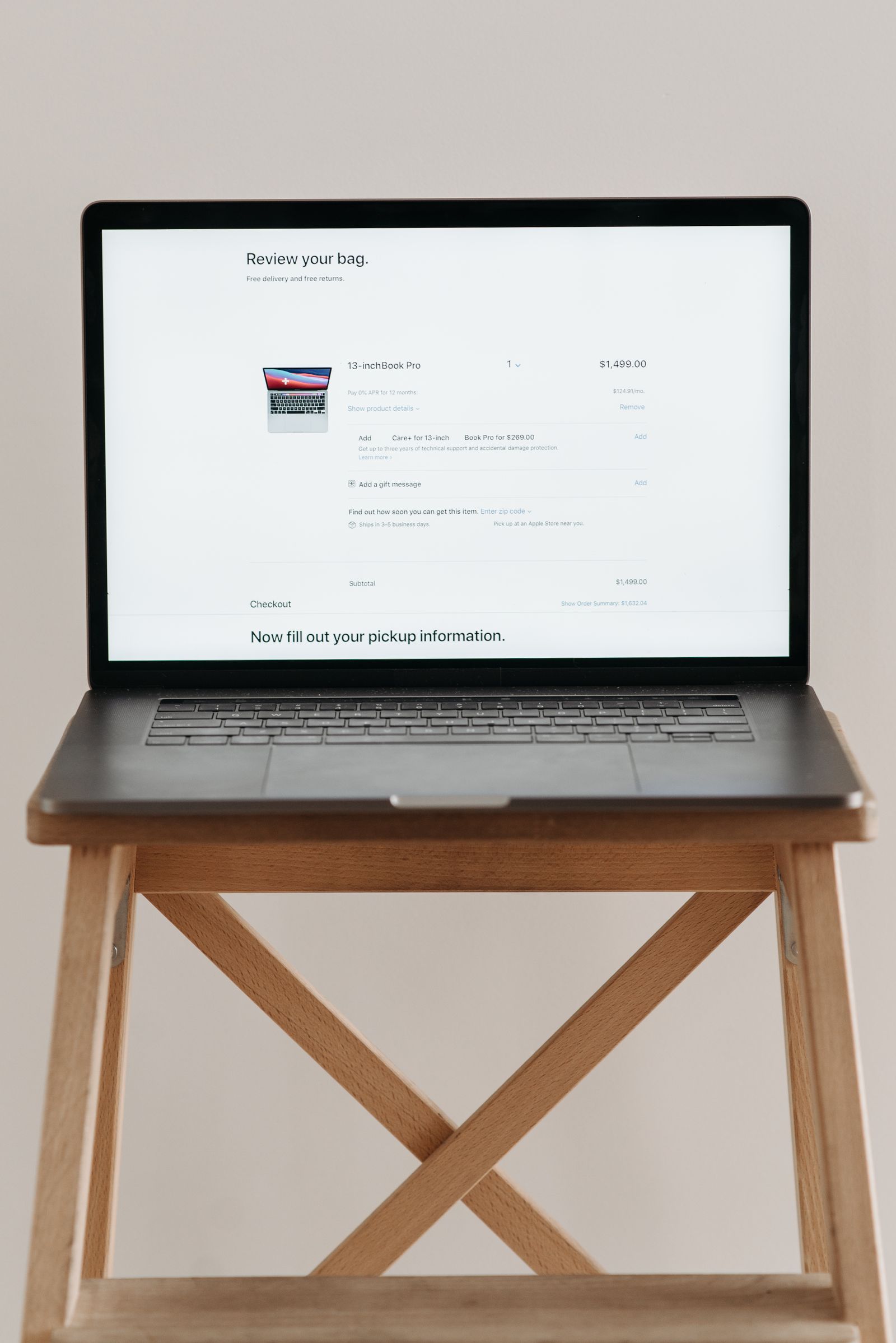
Ecommerce checkout visual
Use this kind of visual context to explain page continuity and friction.
Open resource
research
Google AI Max docs
Official Google documentation for how search automation expands campaign reach.
Open resource
Every click arrives with a question
The question might be explicit, like a Google search, or emotional, like a TikTok hook. In both cases, the landing page has to answer the expectation that created the visit. If the page starts with a generic brand statement, it breaks the chain.
Paid traffic reveals page gaps fast
A paid campaign can show which hooks create curiosity and which audiences convert. But the most valuable learning is often the mismatch: people click, then fail to act because proof, pricing, comparison, delivery, use case or objection handling is missing.
Organic content should support the page
Organic articles, FAQs and comparison pages should not live separately from conversion pages. They should feed the landing page with language, proof and sections that answer the buyer’s real decision path.
The operating rule
For each ad or search intent, write the next page sentence. Then build the page around that sequence: promise, relevance, proof, objection, product explanation, action.
FAQ
Questions this article should answer.
What is the main idea of “Message match: the landing page has to finish both the ad and the search”?+
A landing page is not a destination. It is the next sentence after the ad, search result, AI answer or creator post.
How should an ecommerce team use this?+
Use the article as a working brief: identify one page improvement, one content asset, one creative angle and one measurable next action for the next weekly growth review.
How does this connect to Nuvid.ai?+
Nuvid.ai is built to connect market signals, product pages, search intent and creative direction so teams can move from scattered inputs to clearer content and campaign actions.
Can Daniel help implement this?+
Yes. Daniel works with ecommerce teams, agencies and founders on organic growth audits, AI workflows, product-led content systems and practical implementation.
Newsletter
Get the next field note.
One practical email on organic growth, AI search, ecommerce content and creative impact.
Read next
Organic growth
The organic growth engine ecommerce teams should build in 2026
A practical system for turning store, search, social and creative signals into clearer growth actions.
AEO
AEO for ecommerce product pages: answer the buying question first
How ecommerce brands can make product pages easier for search engines, AI systems and buyers to understand.
Traffic strategy
PPC vs organic traffic: the better question is sequence
Why ecommerce teams should use paid and organic channels as one feedback system instead of treating them as rivals.