Traffic strategy
PPC vs organic traffic: the better question is sequence
Why ecommerce teams should use paid and organic channels as one feedback system instead of treating them as rivals.
Article briefing
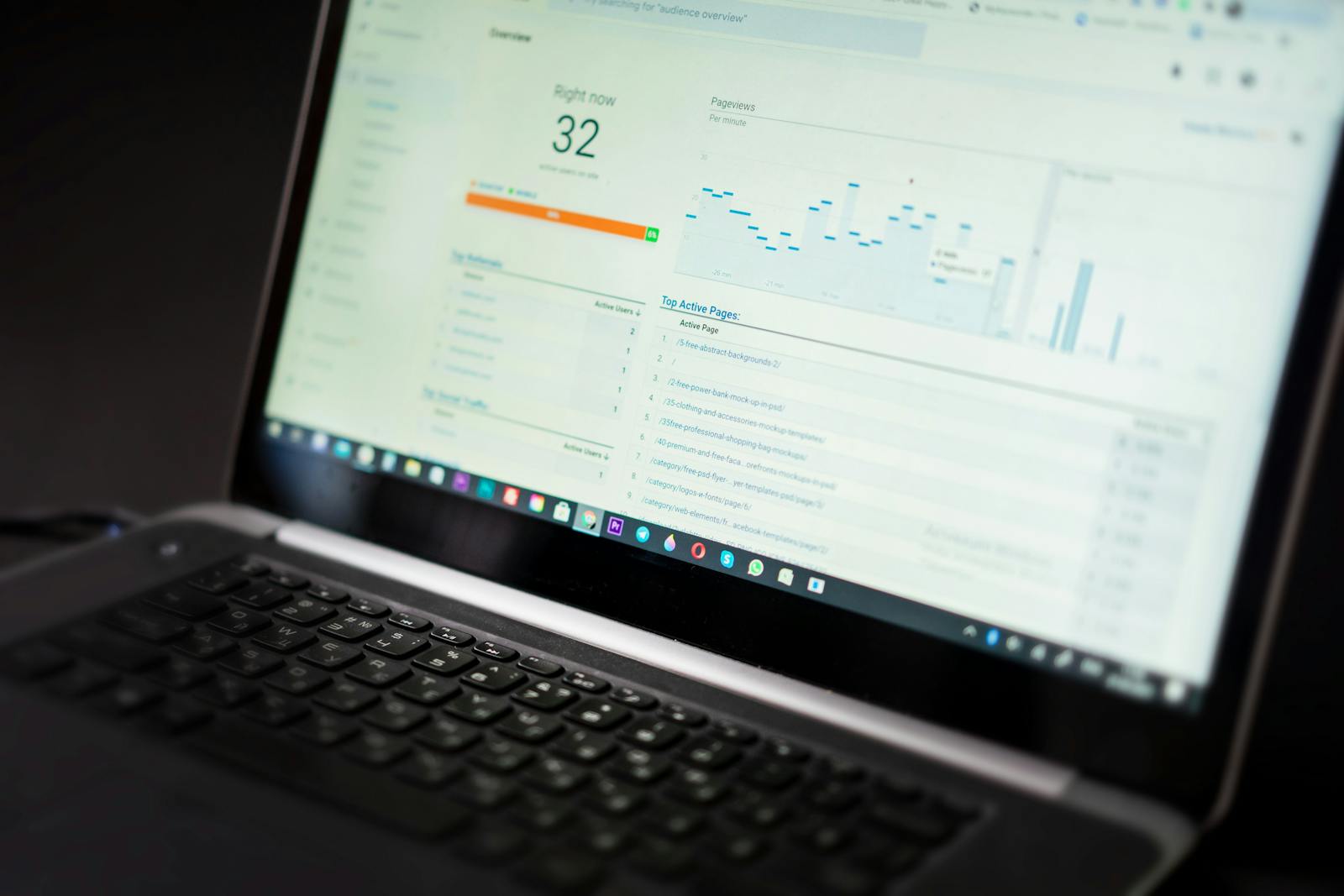
Paid traffic can test demand quickly. Organic traffic compounds what the business learns. In 2026, the stronger question is not which channel wins. It is how fast your team can turn paid feedback into owned content, better product pages and repeatable creative.
“Paid traffic gives speed. Organic growth gives memory. The advantage comes from connecting them.”
Reader value
One practical operating move, not a thought piece.
Best for
Ecommerce founders, agencies and growth operators.
Use it for
Page fixes, content briefs, creative angles and weekly reviews.
Operator takeaways
External research signals
Paid search costs remain a board-level input
WordStream/LocaliQ’s 2025 benchmark work shows Google Ads costs and conversion dynamics moving differently by industry. The practical lesson is simple: PPC is still useful, but weak landing pages, unclear offers and bad conversion tracking make the learning expensive.
Source
WordStream / LocaliQ 2025 Google Ads benchmarks
AI search is changing the click economy
Multiple 2025–2026 studies report lower click-through when AI Overviews appear. For ecommerce teams, that raises the value of answer-led content, brand demand and pages that can convert lower-volume but higher-intent visits.
Source
Ahrefs, Semrush/Datos and academic AI Overview studies
Organic still carries strategic weight
BrightEdge’s AI search research argues that AI referrals are growing, but organic search remains a primary foundation for digital growth. That supports treating organic as infrastructure, not as a cheap replacement for ads.
Source
BrightEdge AI search research
Search ads are becoming more automated
Google’s AI Max for Search reflects where paid search is going: broader matching, AI-assisted creative and more automation. That increases the importance of clean product data, landing page clarity and strong conversion feedback.
Source
Google Ads AI Max documentation
The ecommerce page still decides the economics
Whether a visitor arrives from paid search, an organic result, an AI answer, a creator post or a retargeting ad, the landing page still has to complete the thought. The channel creates the visit. The page creates confidence.
Source
Nuvid operating principle
Guide format
Turn this note into an ecommerce operating move.
Each article should move from research and buyer context into a practical action your page, content or creative team can use.
01
Buyer question
02
Market signal
03
Page section
04
Creative angle
05
Next action
Traffic strategy
Read it, pull one page improvement from it, then turn that improvement into a campaign input.
PPC
Speed
Buy controlled traffic, test hooks, measure offer response and learn where commercial intent actually exists.
Organic
Memory
Turn winning signals into product pages, content, FAQs, answer-led assets and creative that can keep working.
Operating sequence
Test with paid. Learn from intent. Publish the answer. Improve the page. Feed the next campaign.
visual
Visual model: speed vs memory
Use paid search to learn fast. Use organic content and product pages to keep what you learn visible, reusable and compounding.
Open resource
video
Watch: Google AI Max for Search Campaigns
Google’s own training resource shows how Search campaigns are moving toward more automated targeting and creative expansion.
Open resource
visual
Image resource: ecommerce checkout context
A clean ecommerce visual useful for explaining why the page has to finish the ad, not just receive the click.
Open resource
research
Research: AI Overviews and publisher impact
A 2026 academic measurement study looks at AI Overview activation, source quality, claim fidelity and publisher impact.
Open resource
The old argument is too small
Most teams frame the decision as paid versus organic. That is already the wrong starting point. Paid traffic buys controlled feedback: which offer gets attention, which search intent converts, which objections appear, which hook creates enough curiosity to earn the click. Organic growth turns the best of that learning into assets the business keeps: landing pages, product copy, comparison content, FAQs, category pages, short-form creative and answer-led resources. The real question is not which channel is morally better. It is whether the business has a system for turning channel feedback into owned assets.
Paid search is fast, but it punishes weak systems
Search ads can still be one of the fastest ways to test commercial intent, but automation and rising competition make the surrounding system more important. AI-assisted campaign types can broaden matching and creative coverage, but they also make clean product data, strong exclusions, clear landing pages and reliable conversion feedback more important. If the landing page does not finish the thought from the ad, if the offer is vague, or if product content does not answer the buyer’s real question, paid spend becomes an expensive research bill. The answer is not to stop spending. The answer is to make each paid test improve the owned system.
Organic traffic is no longer just rankings
Organic used to be discussed mostly as rankings and traffic. In 2026, that is incomplete. AI Overviews, AI assistants and answer engines are shifting search toward summarized answers. Several recent studies point in the same direction: when AI answers appear, classic organic clicks can be suppressed even when visibility remains. That does not make organic irrelevant; it changes the job. Product pages and articles need clearer answers, better structure, stronger proof, original context and content that can be cited, summarized and trusted.
The useful sequence for ecommerce teams
Start with a paid or market signal. Identify the message that earns attention. Translate that signal into product page improvements, comparison content, FAQ blocks, creative hooks and email/social angles. Then use organic discovery to keep the learning alive. The loop is simple: test the market, improve the page, publish the answer, turn the answer into creative, and feed the next paid test with what worked. This is where most ecommerce teams leak value: the learning stays inside the ads account instead of becoming better product communication.
What Nuvid should automate
The practical system is not another dashboard. It is a workflow that shows the next move: which page to fix, which buyer question to answer, which content angle to publish, which creative hook to test and which competitor gap to use. PPC gives the signal. Organic gives the memory. Nuvid’s job is to connect both into one operating rhythm: market map, page direction, answer-led content, video-led campaigns, review, learn, repeat.
A practical 30-day operating model
Week one: run a market map and identify the page, offer and competitor gap with the highest expected lift. Week two: run a small paid test against three hooks and two landing page variants. Week three: turn the best objections and questions into product page sections, FAQ blocks, comparison content and short-form creative. Week four: review the paid and organic signals together, keep what worked, remove what did not, and plan the next test from evidence rather than opinion.
FAQ
Questions this article should answer.
What is the main idea of “PPC vs organic traffic: the better question is sequence”?+
Paid traffic can test demand quickly. Organic traffic compounds what the business learns. In 2026, the stronger question is not which channel wins. It is how fast your team can turn paid feedback into owned content, better product pages and repeatable creative.
How should an ecommerce team use this?+
Use the article as a working brief: identify one page improvement, one content asset, one creative angle and one measurable next action for the next weekly growth review.
How does this connect to Nuvid.ai?+
Nuvid.ai is built to connect market signals, product pages, search intent and creative direction so teams can move from scattered inputs to clearer content and campaign actions.
Can Daniel help implement this?+
Yes. Daniel works with ecommerce teams, agencies and founders on organic growth audits, AI workflows, product-led content systems and practical implementation.
Newsletter
Get the next field note.
One practical email on organic growth, AI search, ecommerce content and creative impact.
Read next
Creative impact
Creative fatigue is a system problem, not just an ad problem
Why Meta and TikTok creative performance decays when teams test variations instead of new angles.
Paid social
Meta ads need a creative operating rhythm, not occasional refreshes
Why ecommerce brands should plan weekly creative systems for Meta instead of waiting for performance drops.
Content systems
Your paid data should become organic content
A practical framework for turning campaign learnings into SEO, AEO, product pages and video concepts.