Organic growth
The organic growth engine ecommerce teams should build in 2026
A practical system for turning store, search, social and creative signals into clearer growth actions.
Article briefing
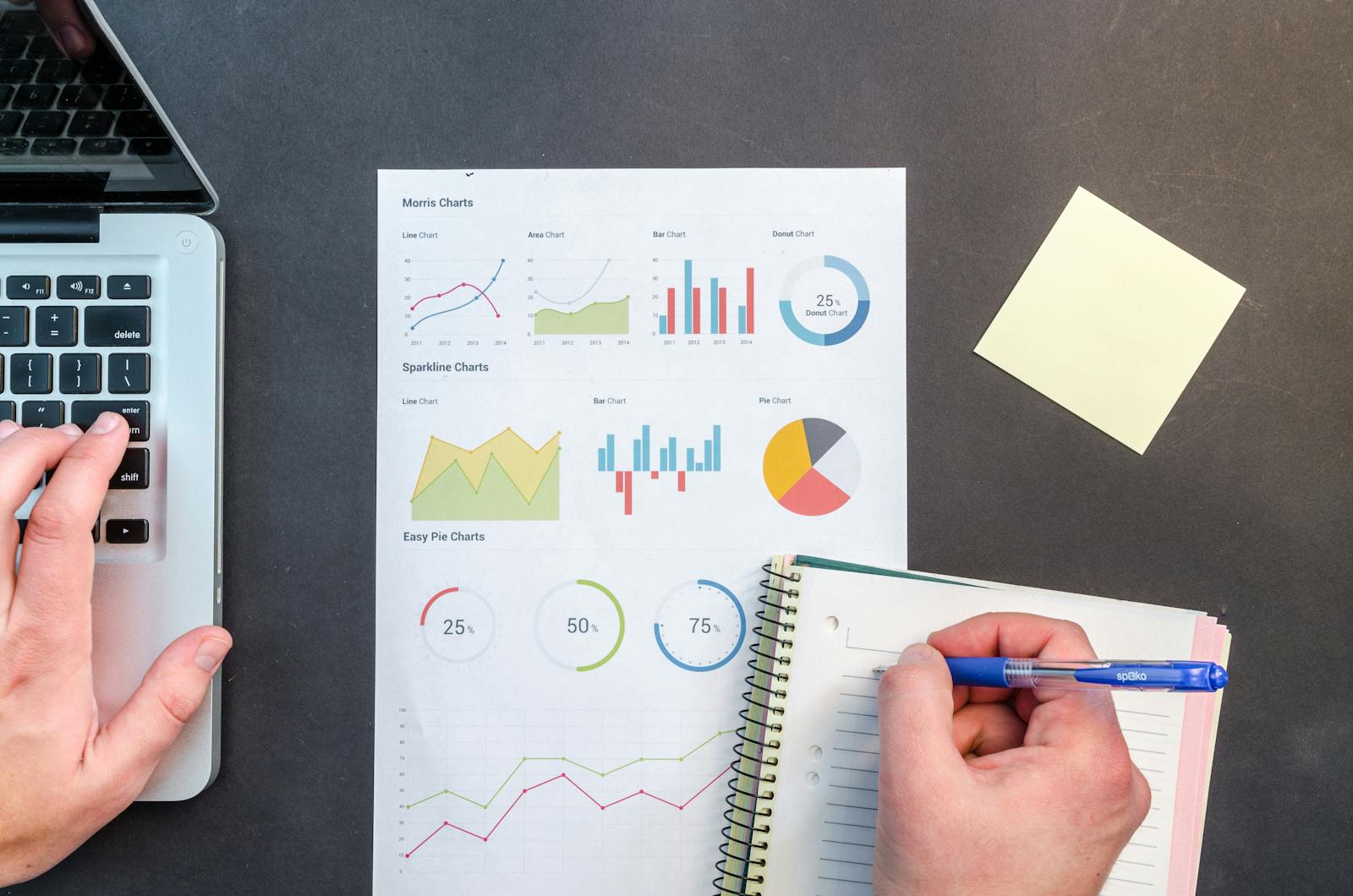
Most ecommerce teams do not need more dashboards. They need a way to convert scattered signals into a clear next move.
“A good growth system does not add noise. It makes the next practical action obvious.”
Reader value
One practical operating move, not a thought piece.
Best for
Ecommerce founders, agencies and growth operators.
Use it for
Page fixes, content briefs, creative angles and weekly reviews.
Operator takeaways
External research signals
AI search raises the value of answer-led pages
Recent AI Overview measurement work shows that summarized search experiences change how users move from query to source. The practical response is clearer answers, stronger source context and pages that are easy to cite.
Source
AI Overview measurement research
Product pages are communication assets, not only URLs
A product page has to explain who the product is for, what problem it solves, why the buyer should trust it and what the next step is. That same structure supports search, ads, creators and AI discovery.
Source
Nuvid operating principle
The best growth work becomes reusable
If a team learns something from PPC, support tickets, Search Console or creator comments, the learning should become product copy, FAQ content, landing page sections and creative directions.
Source
Daniel Fogmark / Nuvid.ai
Guide format
Turn this note into an ecommerce operating move.
Each article should move from research and buyer context into a practical action your page, content or creative team can use.
01
Buyer question
02
Market signal
03
Page section
04
Creative angle
05
Next action
Organic growth
Read it, pull one page improvement from it, then turn that improvement into a campaign input.
visual
Product page clarity review
Use the organic growth idea as a checklist for page clarity, proof, answers and next-step friction.
Open resource
research
Google product structured data
Use structured product facts where they match the real page content and commercial offer.
Open resource
video
Turn the insight into a creative brief
Convert the article idea into hooks, scripts, landing sections and campaign directions in Nuvid.
Open resource
Start with the market, not the content calendar
A content calendar is only useful after the team understands the customer, category, objections and competitive gaps. The first job is to map where demand already exists and what the current product page fails to answer.
Connect the business assets
Search Console, store data, YouTube, Google Ads, Meta, product pages and customer questions all describe the same market from different angles. The opportunity is to connect those signals into one operating view.
Turn signals into actions
The output should not be a report nobody reads. It should be a prioritized action: update this page, publish this answer, test this creative angle, or improve this product explanation.
FAQ
Questions this article should answer.
What is the main idea of “The organic growth engine ecommerce teams should build in 2026”?+
Most ecommerce teams do not need more dashboards. They need a way to convert scattered signals into a clear next move.
How should an ecommerce team use this?+
Use the article as a working brief: identify one page improvement, one content asset, one creative angle and one measurable next action for the next weekly growth review.
How does this connect to Nuvid.ai?+
Nuvid.ai is built to connect market signals, product pages, search intent and creative direction so teams can move from scattered inputs to clearer content and campaign actions.
Can Daniel help implement this?+
Yes. Daniel works with ecommerce teams, agencies and founders on organic growth audits, AI workflows, product-led content systems and practical implementation.
Newsletter
Get the next field note.
One practical email on organic growth, AI search, ecommerce content and creative impact.
Read next